


36
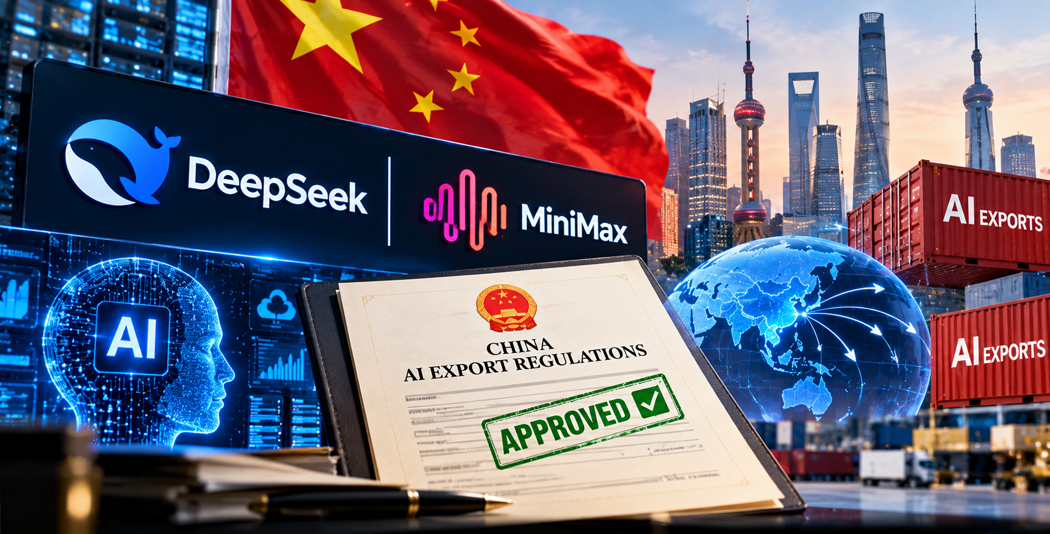
Chinese artificial intelligence companies DeepSeek and MiniMax have reportedly completed registration procedures related to overseas licensing
and open-source releases of their AI technology, according to Yuyuan Tantian, a social media account affiliated with state broadcaster China
Central Television (CCTV).
The account reported the development on October 22, as China strengthens oversight of sensitive technology transfers while domestic AI developers seek to expand their international reach.
On October 16, China’s Ministry of Commerce and Ministry of Science and Technology proposed revisions to the country’s catalogue of technologies subject to export restrictions. The proposed changes cover AI-related technologies, including large language models, AI agents, computing clusters and information processing.
China’s regulatory framework distinguishes between technology transfers subject to export controls and access to AI services. The proposed revisions aim to clarify oversight of sensitive technologies rather than impose a blanket ban on overseas AI activity.
For DeepSeek and MiniMax, the reported registrations come amid intensifying competition in the global AI market. Chinese AI developers are seeking wider adoption of their models and services as businesses and consumers explore alternatives to offerings from international providers.
However, the report did not specify which models, licensing arrangements or open-source activities were covered by the registrations. The development should not be interpreted as unrestricted approval for every product or overseas deployment by either company.
The report highlights the growing importance of export compliance as AI companies expand across borders and governments seek greater oversight of strategically important technologies.
