


5
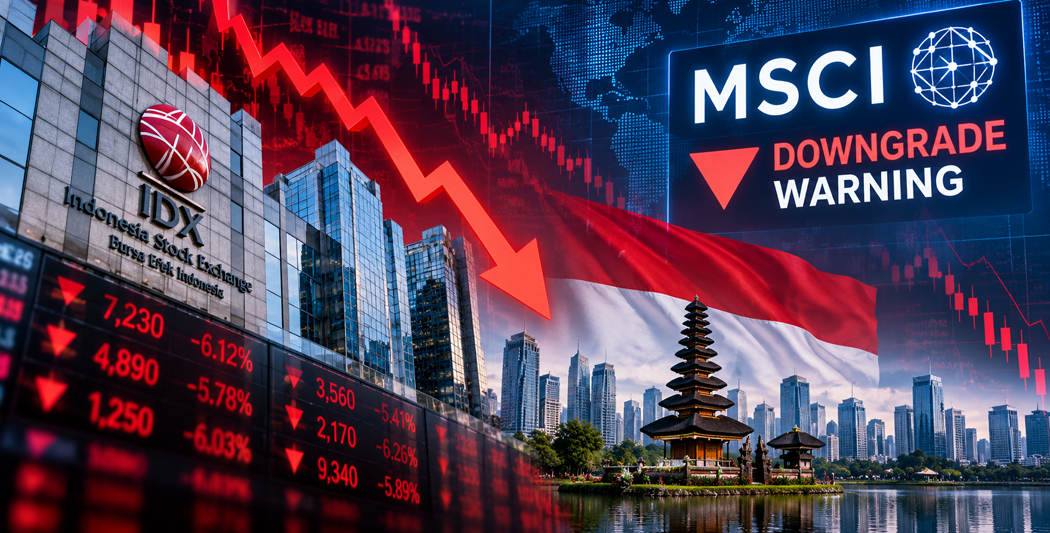
Indonesia’s stock market suffered its steepest single-day decline since January 1998 on October 16, after global index provider MSCI proposed
potentially downgrading the country from emerging-market to standalone- market status, raising concerns about foreign investment outflows.
The Jakarta Composite Index plunged as much as 11.4%, reaching its lowest level since November 2020. The sell-off triggered a 30-minute trading halt after the benchmark opened down 8%. Shares of major lenders, including Bank Central Asia, Bank Rakyat Indonesia and Bank Mandiri, fell nearly 15%.
The Indonesian rupiah also weakened, approaching its record low against the US dollar as investors reassessed the country’s market risks.
MSCI cited persistent concerns over opaque shareholding structures, concentrated ownership and suspected coordinated trading. The index provider said reforms announced by Indonesian authorities had yet to provide consistent evidence of meaningful improvements in market transparency and accessibility.
A move to standalone-market status would remove Indonesian equities from MSCI’s emerging-market indexes, potentially forcing funds that track those benchmarks to adjust their holdings. The resulting outflows could put further pressure on the country’s stock market, although the final impact would depend on MSCI’s decision and investor responses.
Indonesian regulators have announced measures to improve shareholder disclosures and established a roadmap for a minimum free-float requirement of 15%. However, MSCI said investors continued to seek stronger evidence that these measures were improving market conditions. The consultation will remain open until April 30, 2027, with MSCI expected to announce its final decision by June 30, 2027. The proposed reclassification is not yet final.
The market turmoil highlights the importance of transparency, effective regulation and investor confidence in attracting international capital. Indonesia’s ability to demonstrate measurable progress before the consultation closes will be crucial to its standing in global investment markets.
The Jakarta Composite Index plunged as much as 11.4%, reaching its lowest level since November 2020. The sell-off triggered a 30-minute trading halt after the benchmark opened down 8%. Shares of major lenders, including Bank Central Asia, Bank Rakyat Indonesia and Bank Mandiri, fell nearly 15%.
The Indonesian rupiah also weakened, approaching its record low against the US dollar as investors reassessed the country’s market risks.
MSCI cited persistent concerns over opaque shareholding structures, concentrated ownership and suspected coordinated trading. The index provider said reforms announced by Indonesian authorities had yet to provide consistent evidence of meaningful improvements in market transparency and accessibility.
A move to standalone-market status would remove Indonesian equities from MSCI’s emerging-market indexes, potentially forcing funds that track those benchmarks to adjust their holdings. The resulting outflows could put further pressure on the country’s stock market, although the final impact would depend on MSCI’s decision and investor responses.
Indonesian regulators have announced measures to improve shareholder disclosures and established a roadmap for a minimum free-float requirement of 15%. However, MSCI said investors continued to seek stronger evidence that these measures were improving market conditions. The consultation will remain open until April 30, 2027, with MSCI expected to announce its final decision by June 30, 2027. The proposed reclassification is not yet final.
The market turmoil highlights the importance of transparency, effective regulation and investor confidence in attracting international capital. Indonesia’s ability to demonstrate measurable progress before the consultation closes will be crucial to its standing in global investment markets.
