


19
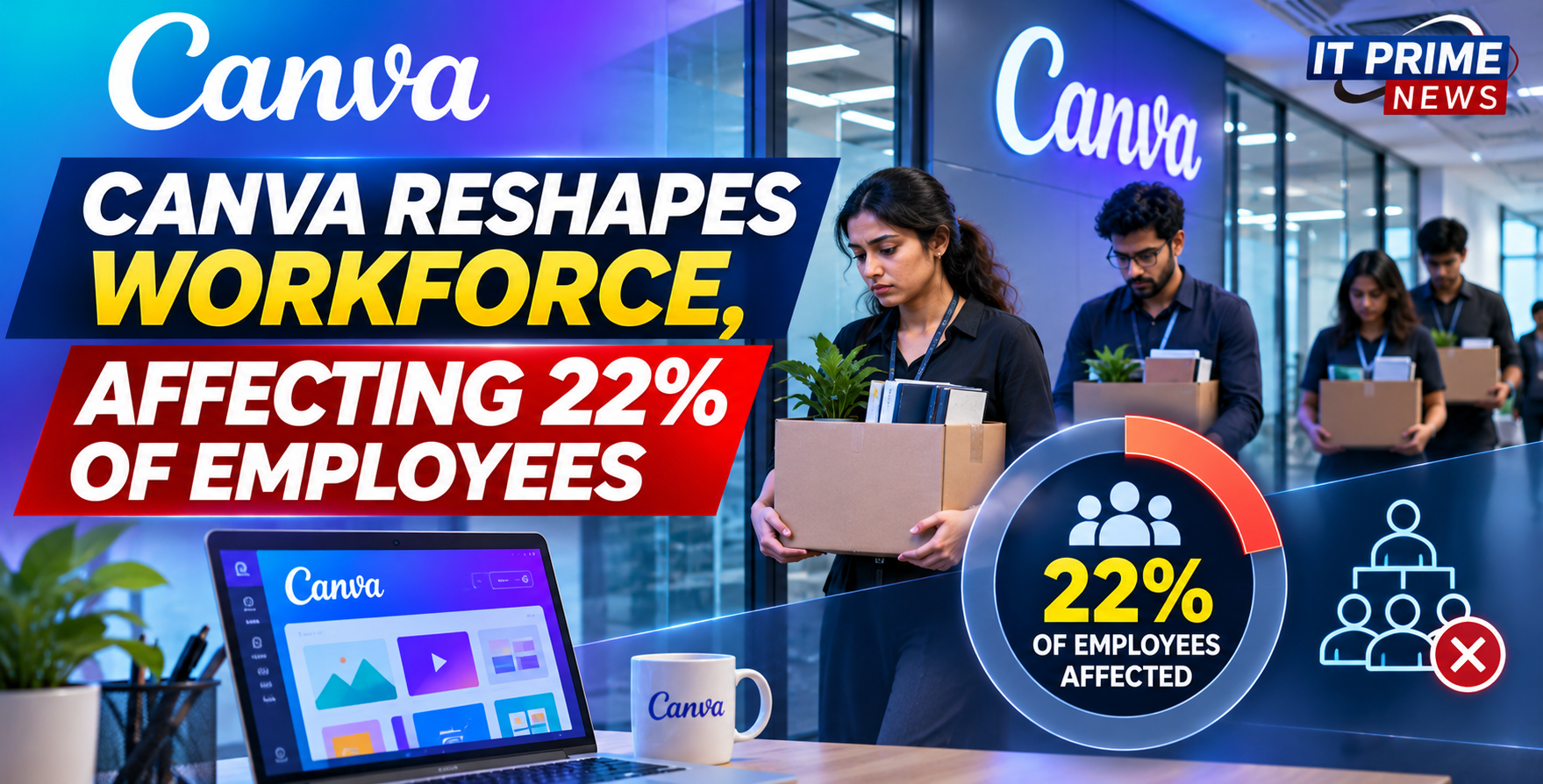
Design technology company Canva is restructuring its workforce, affecting 1,271 employees, or around 22 per cent of its staff, as the company
responds to slower growth and prepares for its next phase.
Canva co-founder and CEO Melanie Perkins announced the changes in a message to employees on November 3. The affected employees include those who will lose their jobs, move to different roles or be asked to relocate. Canva has not disclosed how many positions will be eliminated.
Perkins said Canva’s growth had slowed for the first time in a decade and described the past year as the most difficult in the company’s 13-year history. She said smaller adjustments would not be sufficient to prepare the business for the future.
As part of the restructuring, Canva plans to combine its Product, Growth and Platform functions into a single product organisation. The company will also reduce specialised roles, simplify management layers and consolidate overlapping responsibilities, giving teams broader ownership of projects.
Sydney will become the primary base for more product teams and selected specialist roles. From January 2027, most hybrid employees are expected to work from an office two to three days a week, depending on local circumstances.
Canva said employees leaving the company will receive at least six months’ salary, including statutory entitlements. Support will also include up to 12 months of healthcare coverage, where provided by Canva, along with continued access to its employee assistance programme for employees and their families.
Other support measures include career coaching, interview preparation and one year of LinkedIn Premium. Departing employees will also be allowed to keep their company-issued MacBooks.
Canva said it will additionally offer departing employees 10,000 dollars through its Collective Fund to support business or community projects, without taking equity in those projects.
The restructuring follows reports that Canva lowered its 2026 revenue growth forecast from 30 per cent to 20 per cent in August.
The company operates in a rapidly changing design software market, where generative AI tools are increasingly being integrated into creative workflows. However, Canva has not identified AI as the direct cause of the workforce restructuring.
