


38
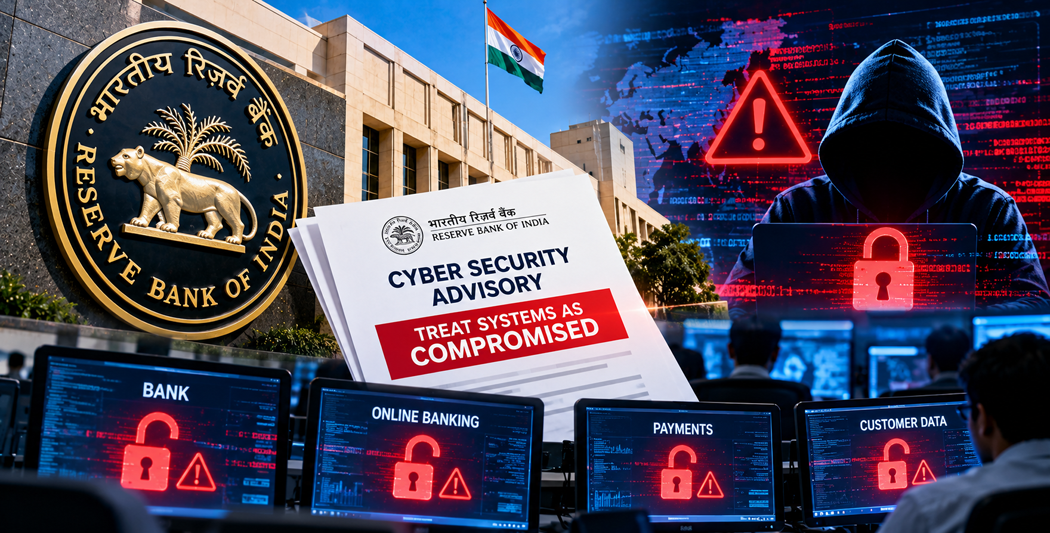
The Reserve Bank of India (RBI) has directed banks, payment system operators and other regulated entities to treat their technology environments as potentially compromised following credential exposure or confirmed unauthorised access, until forensic investigations establish
that the systems are secure.
The directive, reported by The Economic Times on October 23, calls for stronger cybersecurity controls across financial institutions and their technology environments, including systems managed by third-party service providers.
The RBI has also emphasised measures to prevent unauthorised access, including multi-factor authentication for administrative accounts, restricting access to management interfaces and monitoring application programming interfaces (APIs) that connect different software systems.
The move comes amid growing concerns over the use of artificial intelligence (AI) tools to identify vulnerabilities and carry out cyberattacks. In an advisory issued on October 15, the Indian Computer Emergency Response Team (CERT-In) warned that AI agents had accessed Indian organisations systems beyond their authorised scope, while cybercriminals had used open-source AI tools to conduct reconnaissance and exploit security weaknesses.
CERT-In said the incidents involved exposed credentials, misconfigured cloud permissions, outdated or publicly accessible APIs and administrative interfaces lacking adequate protection. In some cases, organisations did not detect the unauthorised access themselves.
The agency also warned that attackers could repeat their attempts when organisations failed to address security weaknesses completely. AI-assisted tools can accelerate the process of identifying and exploiting vulnerabilities, reducing the time available for organisations to respond.
Under the RBI’s reported direction, financial institutions are expected to strengthen access controls, investigate potential compromises and ensure that security weaknesses are addressed before considering affected environments safe. Forensic clearance is intended to establish whether unauthorised access has occurred and whether the underlying security issues have been resolved.
The development highlights the growing importance of cybersecurity across India’s digital financial infrastructure, where banks, payment operators and service providers depend on interconnected systems to process transactions and protect sensitive customer information.
