


16
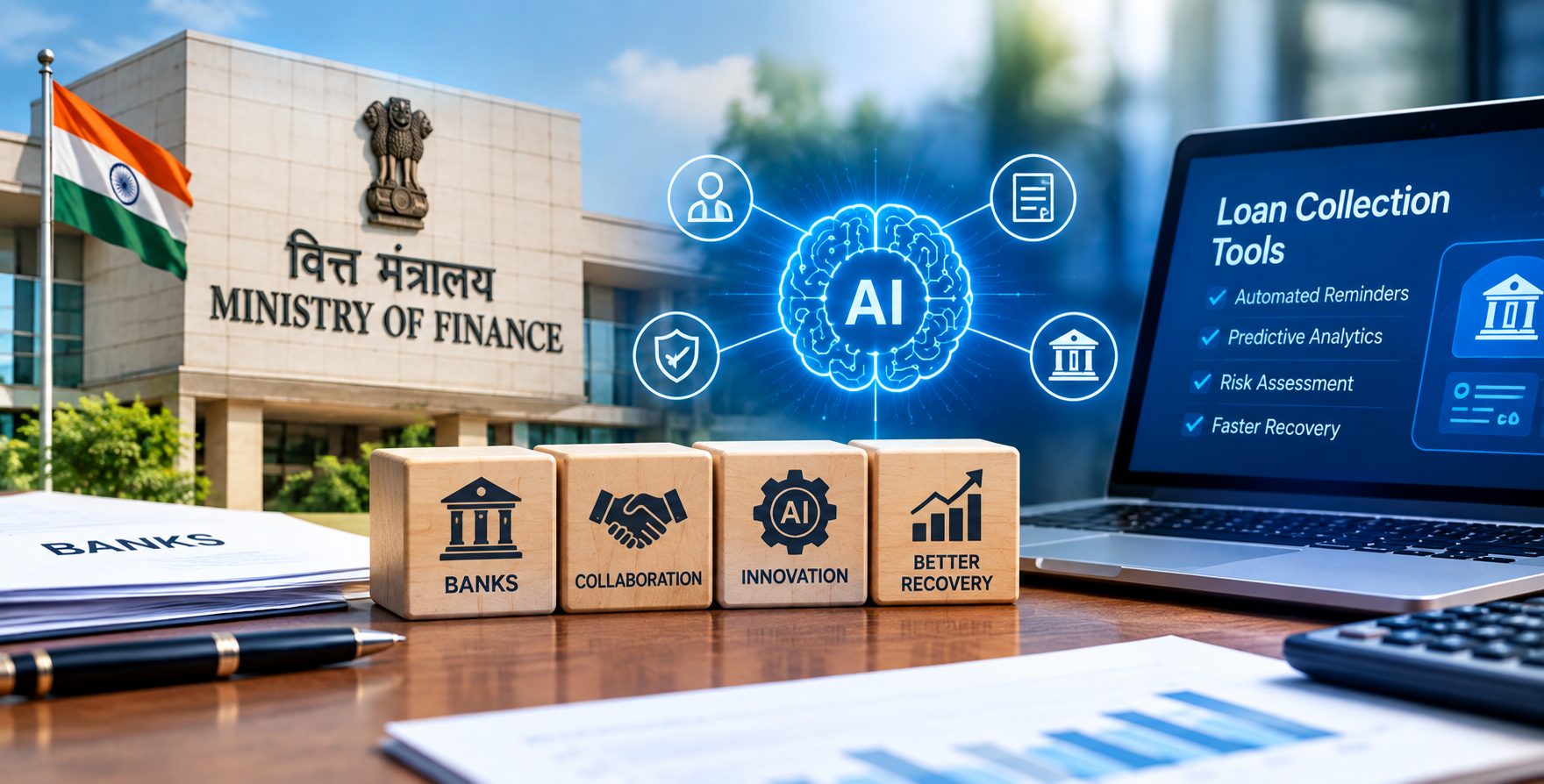
The Finance Ministry has sought feedback from banks on their use of artificial intelligence (AI)- based tools for loan collection, as the government assesses the adoption of AI across the
banking sector and its impact on customer protection.
According to people familiar with the discussions, banks have been asked about the extent to which they are using AI for borrower engagement, repayment facilitation and loan collection. While several banks are already using AI to support customer interactions and repayment processes, only a small number have so far implemented conversational AI specifically for loan collections.
The discussions are part of a wider government focus on the adoption of emerging technologies within banks. The government is also examining how banks are approaching AI implementation across areas including credit monitoring, fraud management, credit assessment and processing.
Public-sector banks are separately working under the Enhanced Access and Service Excellence (EASE) 9.0 reform agenda to assess their technology infrastructure and develop bank-specific approaches for implementing generative AI. The programme also focuses on measuring the impact of AI adoption on productivity, revenue and customer experience.
The increased use of AI in lending and collections also brings greater attention to accountability and transparency. Reserve Bank of India Governor Sanjay Malhotra has previously said banks need board-approved AI governance frameworks and clear accountability for AI-driven outcomes. He has also stressed the importance of being able to explain AI-based decisions that materially affect customers, particularly in areas such as lending and fraud.
For banks, AI-based collection systems could automate parts of borrower communication and repayment follow-ups. However, the Finance Ministry's review indicates that adoption is still at different stages across lenders, with conversational AI for collections remaining relatively limited.
The government's assessment could provide a clearer picture of how Indian banks are deploying AI in customer-facing financial processes and what safeguards may be required as adoption expands.
According to people familiar with the discussions, banks have been asked about the extent to which they are using AI for borrower engagement, repayment facilitation and loan collection. While several banks are already using AI to support customer interactions and repayment processes, only a small number have so far implemented conversational AI specifically for loan collections.
The discussions are part of a wider government focus on the adoption of emerging technologies within banks. The government is also examining how banks are approaching AI implementation across areas including credit monitoring, fraud management, credit assessment and processing.
Public-sector banks are separately working under the Enhanced Access and Service Excellence (EASE) 9.0 reform agenda to assess their technology infrastructure and develop bank-specific approaches for implementing generative AI. The programme also focuses on measuring the impact of AI adoption on productivity, revenue and customer experience.
The increased use of AI in lending and collections also brings greater attention to accountability and transparency. Reserve Bank of India Governor Sanjay Malhotra has previously said banks need board-approved AI governance frameworks and clear accountability for AI-driven outcomes. He has also stressed the importance of being able to explain AI-based decisions that materially affect customers, particularly in areas such as lending and fraud.
For banks, AI-based collection systems could automate parts of borrower communication and repayment follow-ups. However, the Finance Ministry's review indicates that adoption is still at different stages across lenders, with conversational AI for collections remaining relatively limited.
The government's assessment could provide a clearer picture of how Indian banks are deploying AI in customer-facing financial processes and what safeguards may be required as adoption expands.
