


18
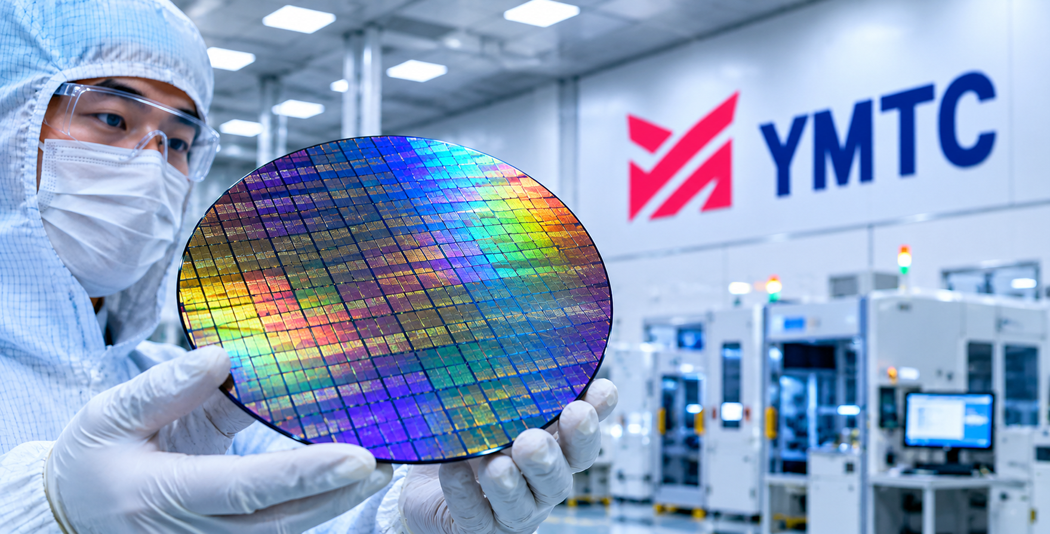
China’s largest flash memory chipmaker, Yangtze Memory Technologies Co (YMTC), plans to source at least 60% of the equipment for its proposed
fourth factory from domestic suppliers, with an ambition to raise that share to 70%.
The proposed facility in Wuhan is expected to produce NAND flash memory chips with more than 300 vertically stacked memory layers. The chips are expected to cater to growing demand from data centres and artificial intelligence applications.
According to a Reuters report published on November 6, the domestic equipment targets are part of YMTC’s efforts to reduce its dependence on overseas semiconductor technology. Construction of the new factory is expected to begin in 2027, although discussions with suppliers are still at an early stage and no formal orders have been placed.
The planned domestic share would be higher than at YMTC’s third factory, where Chinese suppliers currently account for slightly more than half of equipment purchases.
Chinese semiconductor equipment makers, including Naura Technology Group and Advanced Micro-Fabrication Equipment (AMEC), could benefit from the expansion. Domestic suppliers have made progress in areas such as wafer cleaning, polishing and etching.
However, YMTC still depends on overseas suppliers for some advanced equipment, particularly lithography and inspection systems. This highlights the challenges China continues to face in developing a fully domestic semiconductor supply chain.
US export controls have added pressure on YMTC to develop local alternatives. The US Commerce Department placed the company on its Entity List in December 2022, requiring licensing for certain technology exports from US suppliers.
According to Omdia data cited by Reuters, YMTC's share of China's NAND market increased to 38.5% in the second quarter of 2026, up from 28% in 2025, putting the company ahead of Samsung in the Chinese market.
YMTC's third, fourth and fifth factories are each expected to process around 100,000 wafers per month at full capacity. Together, the three facilities could more than double the company's manufacturing capacity.
