


32
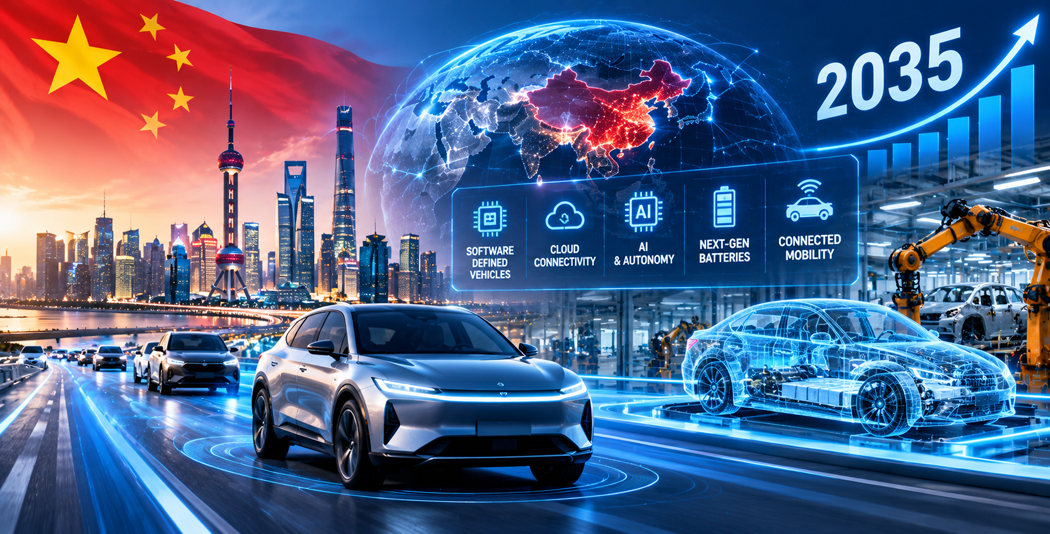
Software, artificial intelligence and China’s growing influence are expected to reshape the global automotive industry by 2035, according to a survey by KPMG involving 775 senior automotive executives.
The survey, reported by Reuters on October 21, found that 51% of respondents expect software and digital technology to become the main factors distinguishing automakers from their competitors by 2035. This signals a shift in an industry where vehicle performance and engineering have traditionally played a central role.
China is also expected to strengthen its position in the global automotive market. According to the survey, 48% of executives believe six of the world’s 10 largest automakers will be headquartered in China by 2035. The projection highlights the country’s growing influence in areas such as artificial intelligence, battery technology and digital innovation.
However, adopting new technologies across large organisations remains a Challenge. The survey found that 92% of companies need at least 12 months to implement a new AI, software or digital capability across their operations. More than one-third take over two years, underlining the difficulty of turning technological investments into widespread business improvements.
Investment in emerging technologies also varies across regions. In Asia- Pacific, 57% of respondents reported significant investments in AI and other emerging technologies. The figure stood at 52% in Europe and 48% in the Americas.
Automakers are also exploring new sources of revenue beyond vehicle sales. Areas such as energy storage, defence and financial services could provide additional business opportunities as manufacturers adapt to changing market conditions and rising competition.
The findings suggest that the future of the automotive industry will depend increasingly on how effectively manufacturers develop and deploy digital technologies. While the survey reflects executives’ expectations rather than guaranteed outcomes, it points to a potential shift in global automotive leadership over the next decade, with software, AI and China playing increasingly important roles.
